
Quality Dental Care and One-Day Crowns in Chennai
Your Journey to Achieving Optimal Oral Health is well supported by our Experienced Team.
Once your procedure is complete, we focus on providing step-by-step Dental Care After Treatment guidelines tailored to each procedure.
For any treatments that are not listed here, the aftercare instructions are contained directly in the treatment page.

BRACES- POST OP INSTRUCTIONS
Immediately after your procedure, use your finger and tongue to check for wire ends that may poke or irritate your mouth.
We provide orthodontic wax to place around wires or brackets, which helps reduce irritation.
Your mouth and teeth might feel sore for up to a week. To relieve discomfort, rinse with cold water, take an over-the-counter pain reliever, or apply a topical numbing gel.
During the first few days, eat only soft foods until you adjust to your new braces. Meanwhile, avoid hard, chewy, or sticky foods throughout your orthodontic treatment to prevent bracket damage.
Do not chew hard objects such as ice cubes or pencils, as they can damage your braces.
Daily home care plays a crucial role in keeping your teeth healthy during orthodontic treatment. Brush and floss after every meal, paying special attention to the areas around your braces to remove food particles and prevent plaque buildup and decay.
We recommend the right toothbrush and demonstrate any special cleaning aids you need for effective home care.
If you play contact sports, discuss protective measures with us, such as wearing a mouth guard.
Contact us immediately if you experience severe pain, a loose bracket or band, or a broken wire.
Extraction & Impaction
Post-Operative Instructions to Support Dental Care After Treatment
Dental Care After Treatment In Alwarpet is essential to ensure proper healing and prevent complications after dental procedures.
Protect the Area
• In the first 24 hours, allow your body to form a stable blood clot.
• Moreover, avoid swishing, using a straw, or smoking, as these actions may dislodge the clot.
• Keep sharp objects and crunchy foods away from the treated site.
• Meanwhile, chew on the opposite side of your mouth during this period.
Managing Bleeding
• Bite gently on the gauze provided and maintain pressure for at least 30 minutes.
• Slight bleeding mixed with saliva is normal and may continue throughout the day.
Avoid Smoking
• Stop smoking immediately, since tobacco chemicals slow healing and increase dry socket risk.
Pain and Medication
• Mild discomfort is expected after treatment.
• Take prescribed pain medication exactly as instructed and preferably with food or milk.
• Additionally, avoid alcohol, driving, or operating machinery while on medication.
Nausea and Hydration
• To reduce nausea, eat soft foods before taking pain medication.
• At the same time, drink plenty of water to stay hydrated.
Swelling Control
• Apply ice packs for 15 minutes on and 15 minutes off during the first day to minimize swelling.
Numbness Awareness
• While numbness lasts, avoid biting, chewing, or scratching the treated area.
• In rare cases, mild tingling may persist for several weeks.
Brushing and Rinsing
• Do not brush for the first 8 hours. Afterwards, brush gently while avoiding the surgical area for three days.
• After 24 hours, rinse gently with warm salt water to support healing.
Diet and Activity
• Consume soft foods for the first two days and maintain a balanced diet.
• Furthermore, avoid alcohol for at least 48 hours.
• Rest after leaving the clinic and avoid strenuous activity for the remainder of the day.
Antibiotics
• Take all prescribed antibiotics exactly as directed.
• Women may need alternate birth control methods if advised.
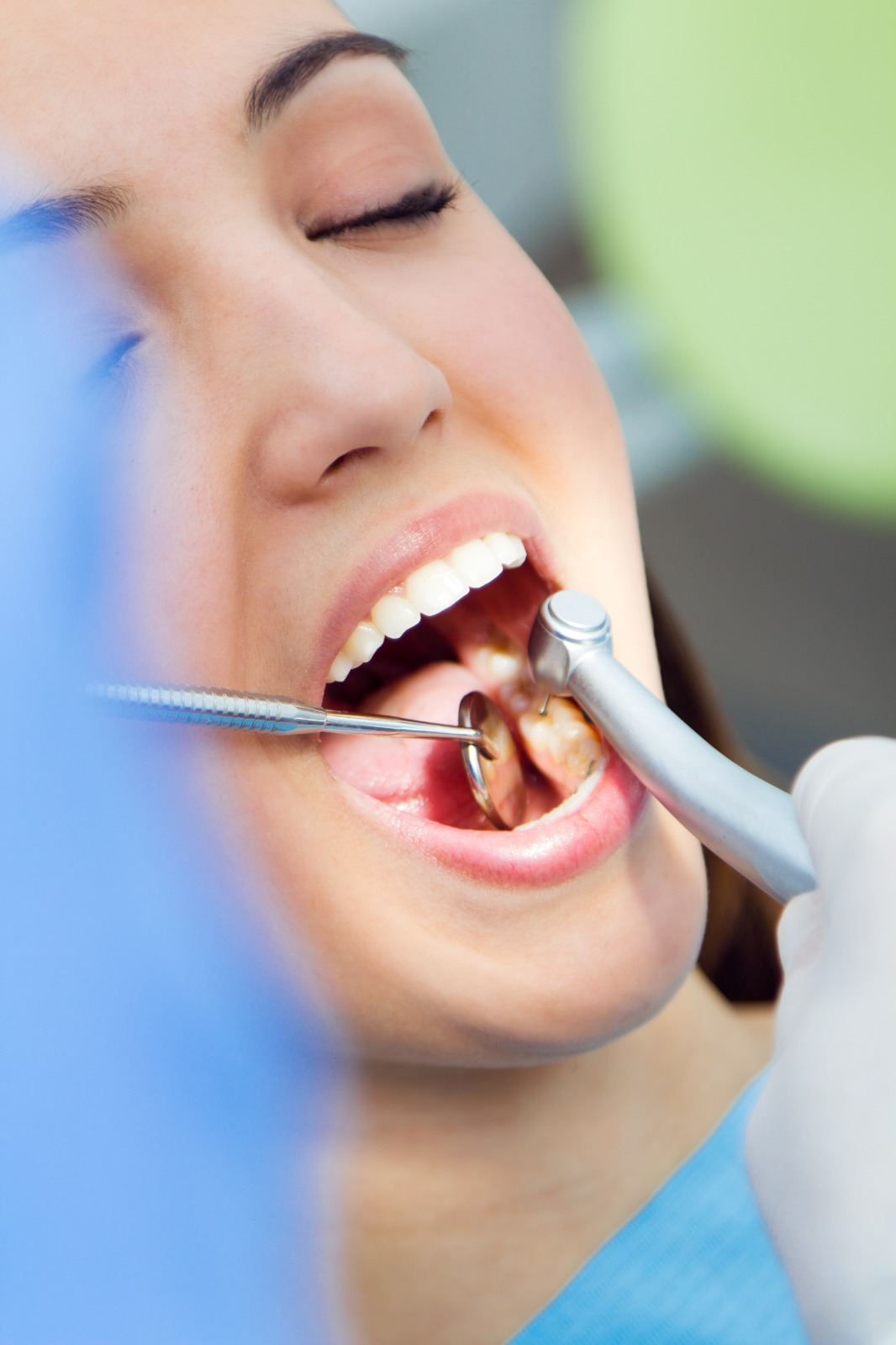
FILLING - POST OP INSTRUCTIONS
Proper after-treatment care helps your mouth adjust following dental procedures. Initially, your bite may feel different, and your brain needs time to adapt to the new alignment or thickness of your teeth. This adjustment is normal.
If high spots or discomfort occur while biting, contact us to schedule a bite adjustment.
Sensitivity to hot or cold after a filling is typical, as teeth recover.
Mild soreness in the gum tissue near the treated area usually resolves within a few days.
Gently rinsing with warm salt water can relieve discomfort and promote healing.
Taking Care of Your Teeth
Brush and floss daily to keep teeth plaque-free and ensure the longevity of restorations.
Avoid foods that can crack, chip, or damage teeth, including hard nuts, peanut brittle, ice, apples, frozen candy bars, and sticky caramel.
Never use teeth as tools. Avoid biting nails, chewing pencils, or opening packages with your teeth.
Drinks such as coffee, red wine, tea, and berries, as well as tobacco, can stain teeth. Use a straw when possible, and brush, floss, and rinse with whitening mouthwash afterward.
IMPLANT SURGERY – POST OP INSTRUCTIONS
Do not rinse or spit for the first 24 hours to protect the surgical area.
Keep fingers and tongue away from the socket to prevent irritation or infection.
Apply ice packs for 20 minutes on, 10 minutes off, during the first 48 hours.
Take prescribed pain medication as directed.
Drink fluids but avoid using a straw.
Stop smoking for at least five days post-surgery.
Avoid strenuous activity for 3–4 days; proceed cautiously afterward.
Eat soft foods initially, then gradually return to normal diet.
Maintain cleanliness by brushing gently, avoiding the extraction site for 2–3 days.
Contact your dentist immediately if excessive bleeding, severe pain, or infection occurs.

PERIODONTAL FLAP SURGERY- POST OP INSTRUCTIONS
BRUSHING / FLOSSING
Avoid brushing the gum line of treated areas for one week.
Brush only chewing surfaces initially and skip flossing for the first week.
EATING
Avoid hot drinks or foods on surgery day.
Soft foods are recommended for the first few days.
Avoid crunchy, salty, or spicy foods for one week.
Do not use a straw for three days.
CHEWING
Chew on the opposite side of treated teeth for one week.
If both sides are treated, chew lightly.
DISCOMFORT
Mild discomfort may last up to a week.
“Delayed discomfort” may occur in the second week.
Apply a cold pack for 20 minutes every 2–4 hours, especially during the first 24–72 hours.
ROOT CANAL THERAPY – POST OP INSTRUCTIONS
Root canal therapy typically requires one to two appointments.
After anesthesia, numbness may last several hours; avoid chewing on the treated side until sensation returns.
A temporary filling protects the tooth between appointments.
Avoid sticky or hard foods to prevent damage.
Whenever possible, chew on the opposite side.
Mild discomfort or dull ache may occur but usually subsides within days or weeks.

SCALING AND CURETTAGE -POST OP INSTRUCTIONS
Scaling and root planing remove bacterial plaque and tartar below the gum line, reducing inflammation and infection. This allows gums to reattach firmly and improves oral hygiene. Proper Dental Care After Treatment In Alwarpet promotes long-term gum health.
First 24 Hours
• Avoid hot or spicy foods until anesthesia wears off.
• Skip vigorous exercise.
• Do not smoke or drink alcohol for at least 48 hours.
• Avoid extremely hot or cold foods.
Things to Do
• Eat soft foods and chew on the opposite side.
• Rinse gently with warm salt water three times daily.
• Brush and floss treated areas gently; resume normal cleaning in a week or when soreness subsides.
• If prescribed, use Chlorhexidine rinse twice daily for 2 weeks.
• Expect gums to appear pink, less swollen, and bleed less over time
Your oral health deserves
every advantage digital
dentistry can offer.
• We utilize advanced, tech-enabled procedures to improve accuracy and patient comfort.
• Enhanced mouth scans allow for more precise implant placement and procedure planning.
• Consequently, patients experience faster recovery and improved oral health outcomes.
• Additionally, working smarter with technology ensures better long-term results and higher satisfaction.
• Ultimately, combining expert care with advanced tools delivers exceptional dental care outcomes.